Featured news at KU
Our top featured stories


A study of body size in leaf-nosed bats of the Solomon Islands that involved evolutionary biologists from the University of Kansas — who collected specimens, conducted genetic analysis and co-wrote research in the journal Evolution — reveals surprising genetic diversity among nearly indistinguishable species on different islands.
KU in the News
Other featured news

Researchers parse oddity of distantly related bats in Solomon Islands that appear identical
A study of body size in leaf-nosed bats of the Solomon Islands that involved evolutionary biologists from the University of Kansas — who collected specimens, conducted genetic analysis and co-wrote research in the journal Evolution — reveals surprising genetic diversity among nearly indistinguishable species on different islands.

Intervention based on science of reading, math boosts comprehension, word problem-solving
New research from the University of Kansas has found an intervention based on the science of reading and math effectively helped English language learners boost their comprehension, visualize and synthesize information, and make connections that significantly improved their math performance.
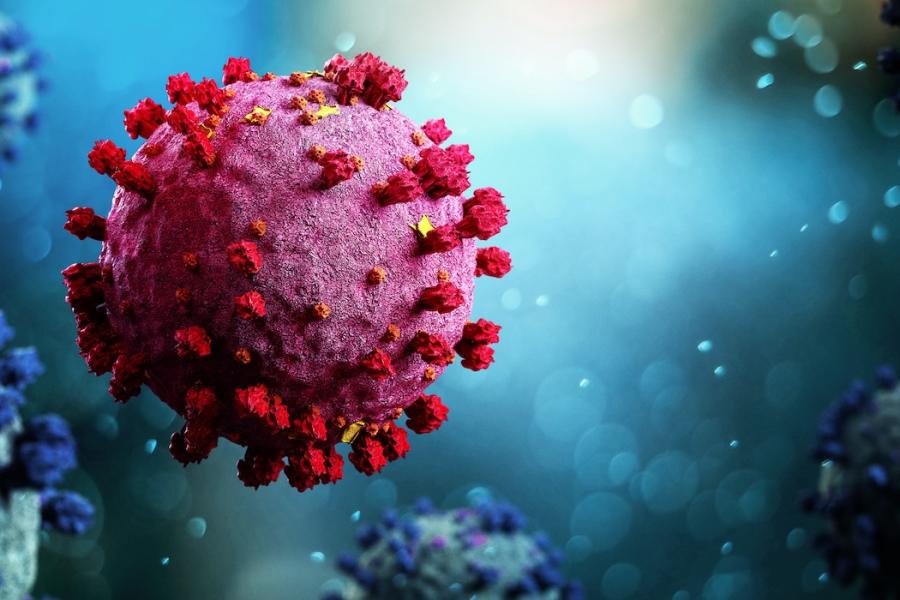
Study reports new compound halting replication of COVID by targeting ‘Mac-1’ protein in cell models
Research from the University of Kansas shows for the first time SARS-CoV-2, the virus responsible for COVID-19, can be inhibited from replicating in living cell cultures using a compound that targets “Mac-1,” a protein key to defending SARS-CoV-2 against the human immune response.
KU professor of anthropology receives prestigious Guggenheim Fellowship to work on 2nd book
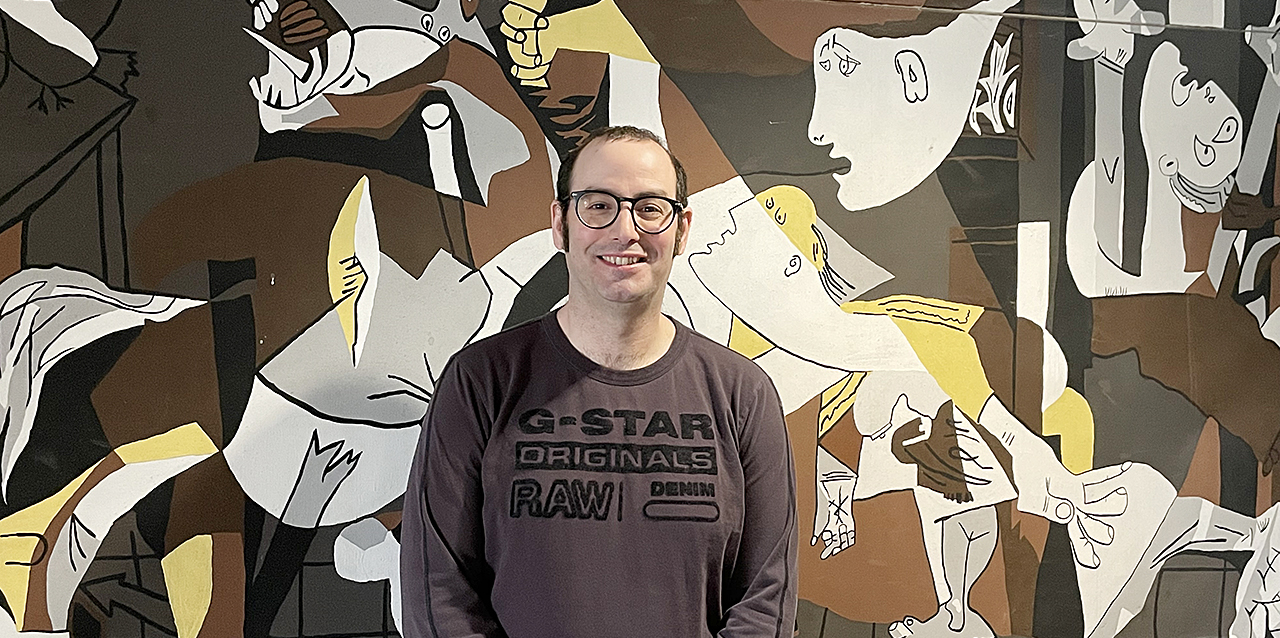
Jennifer Raff, KU associate professor of anthropology, was recently awarded a Guggenheim Fellowship for her work on the history of human populations through sequencing the genomes of contemporary peoples and their ancestors.
Research
The “deep, existential malaise” stemming from fear of impending ecological catastrophe has permeated science fiction around the globe, a KU professor writes in a new journal article.
Kansas Communities
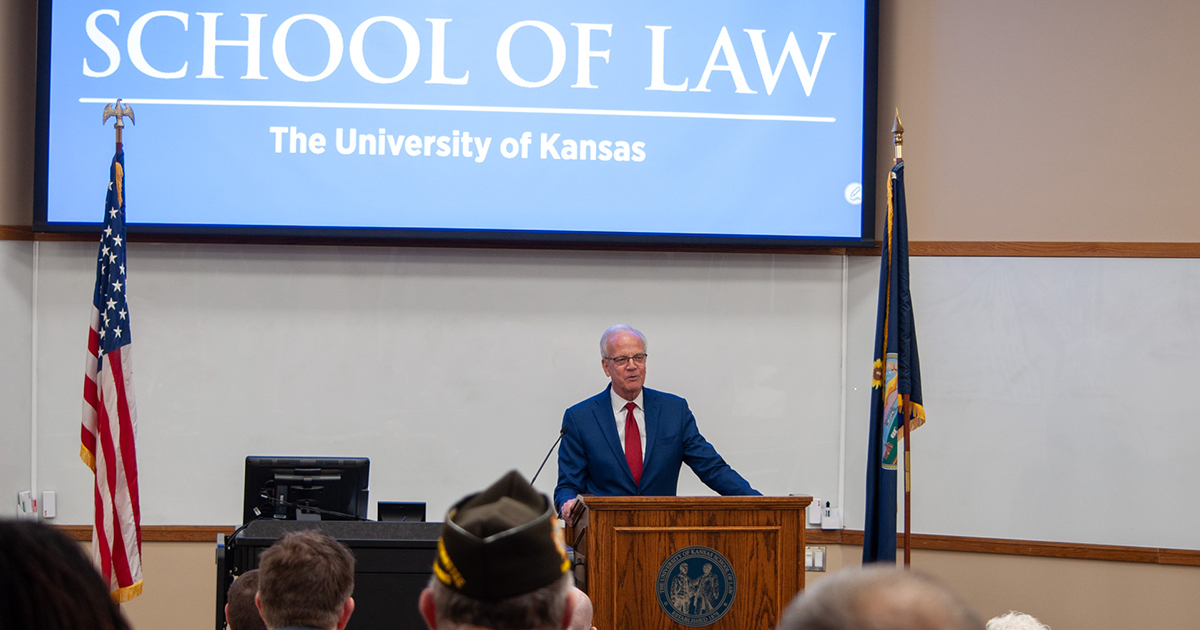
The University of Kansas School of Law is set to receive $1.6 million in federal funding for the establishment of a free legal aid clinic dedicated to serving veterans. With an estimated 194,000 veterans in Kansas, the clinic would be the first of its kind in the state.
Economic Development
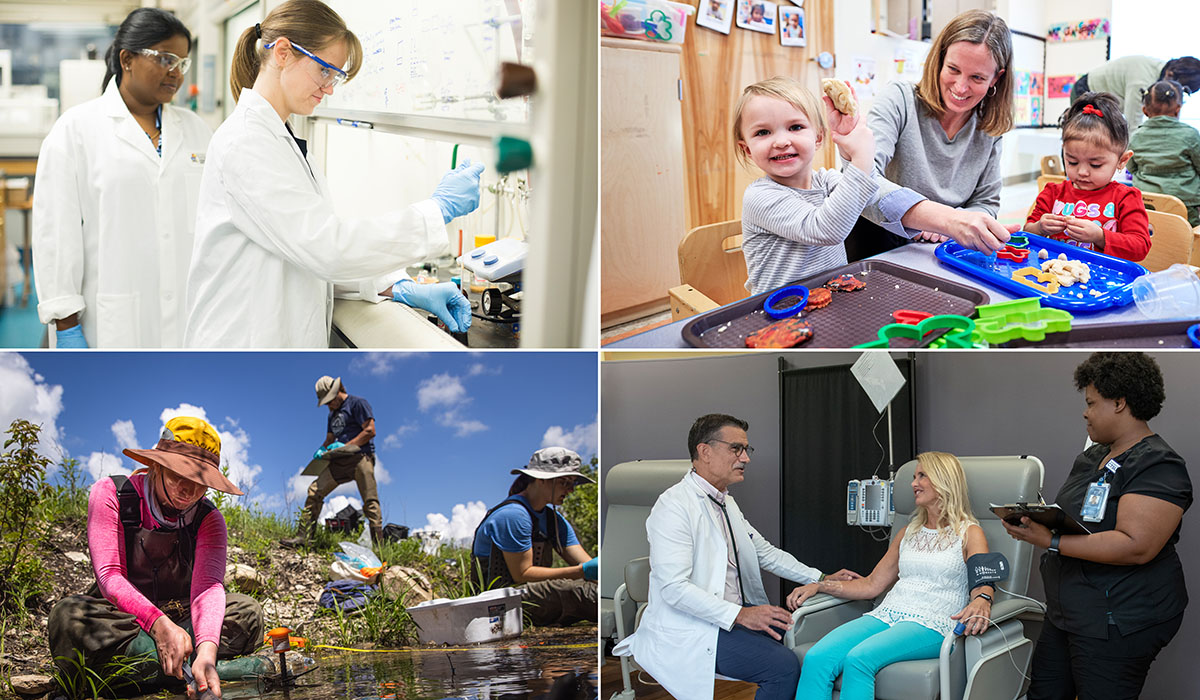
Research expenditures spanning all KU campuses increased to $368.6 million in 2023, capping nearly a decade of steady expansion. Last year alone, externally funded research at KU supported the salaries of 4,372 people, and the university spent $78.9 million in 97 Kansas counties on research-related goods and services, according to a report from the Institute for Research on Innovation & Science.
Student experience and achievement
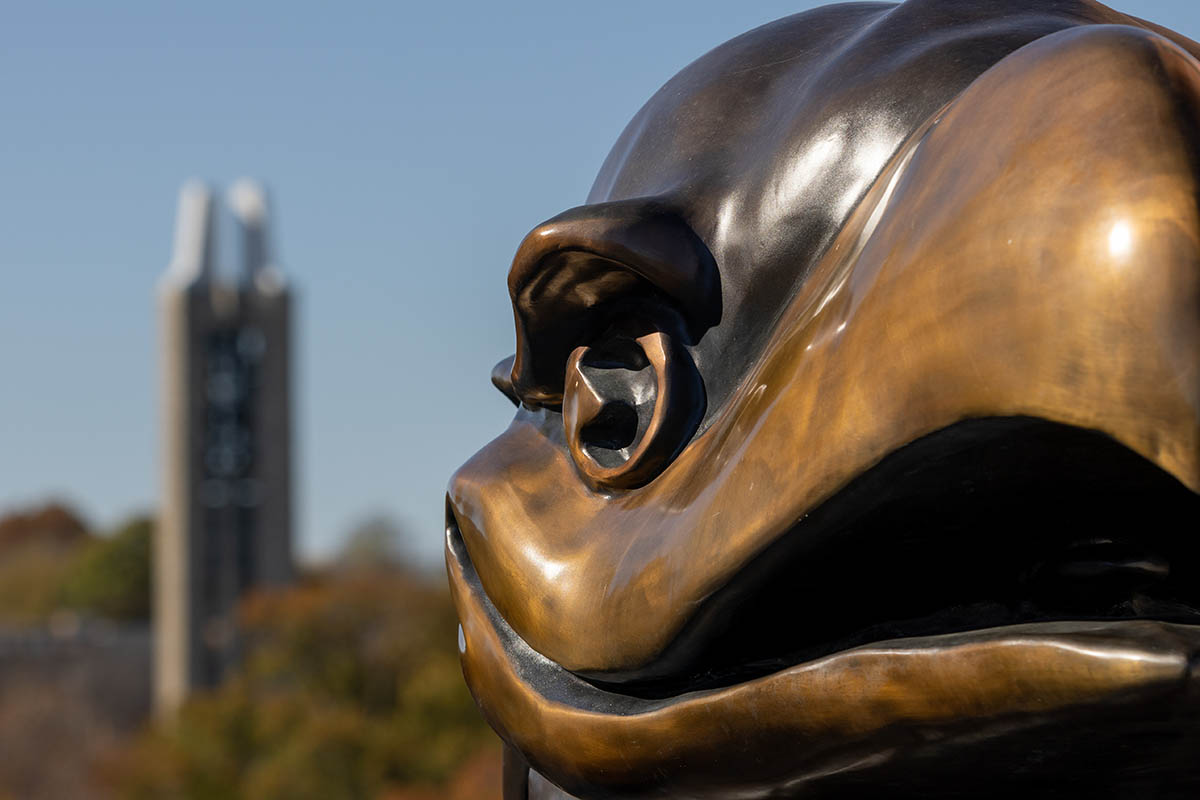
Twenty-two students have been selected to receive the KU Madison and Lila Self Memorial Scholarship for the 2024-2025 academic year. The merit-based scholarship is awarded to outstanding seniors from KU who will be transitioning into their first year of a graduate degree program at the university in fall 2024.
Campus news
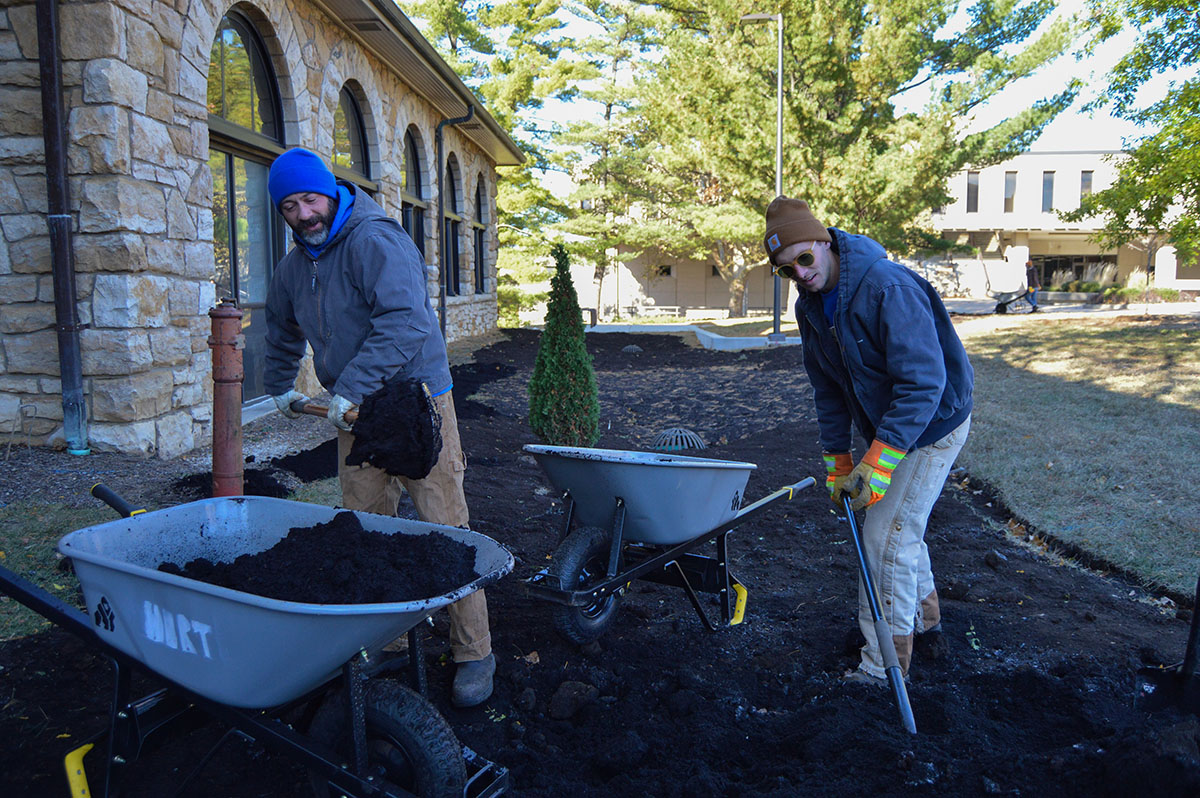
The Lawrence campus aesthetic plays a key role in recruiting, and the KU landscaping team works to create a beautiful and welcoming environment for students, employees and visitors.
Latest news

Information for news media covering University of Kansas Class of 2024 Commencement
The University of Kansas invites news media to cover the university’s Commencement ceremony May 12 for the Class of 2024. News media photographers will need KU credentials to shoot from the photo pen on the Campanile plaza and to get inside the stadium.
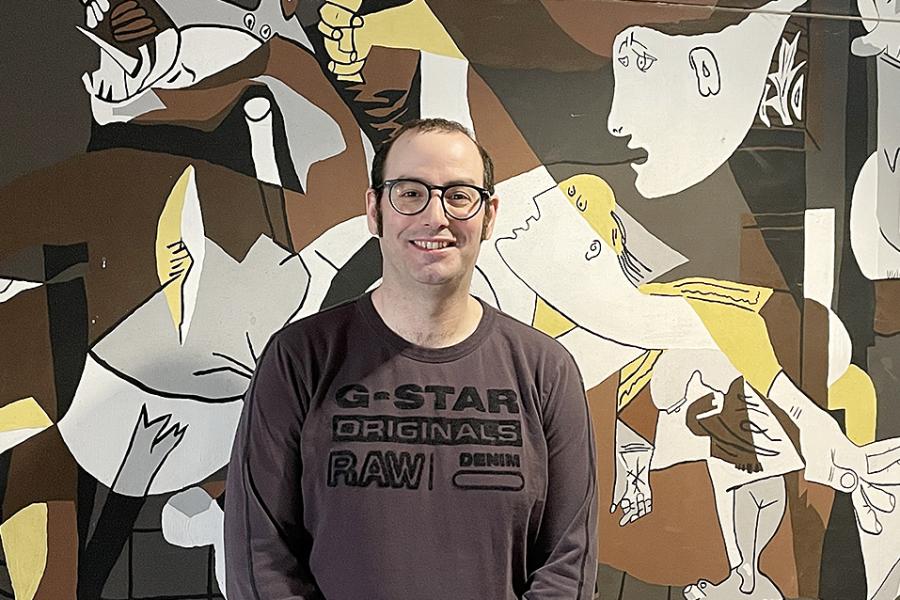
Contemplating eco-catastrophe through Spanish science fiction lens
The “deep, existential malaise” stemming from fear of impending ecological catastrophe has permeated science fiction around the globe, a KU professor writes in a new journal article.
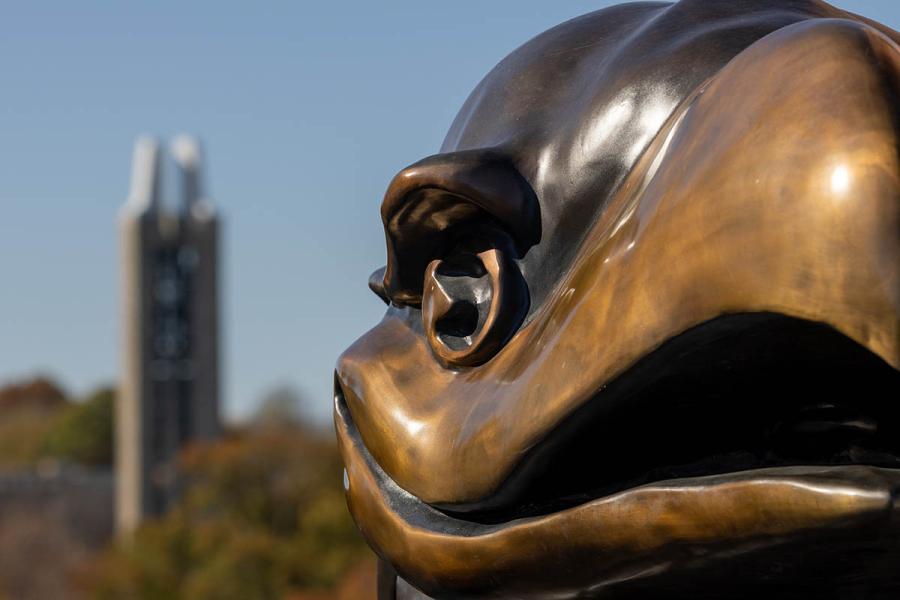
KU announces new 2024-2025 Self Memorial Scholars
Twenty-two students have been selected to receive the KU Madison and Lila Self Memorial Scholarship for the 2024-2025 academic year. The merit-based scholarship is awarded to outstanding seniors from KU who will be transitioning into their first year of a graduate degree program at the university in fall 2024.
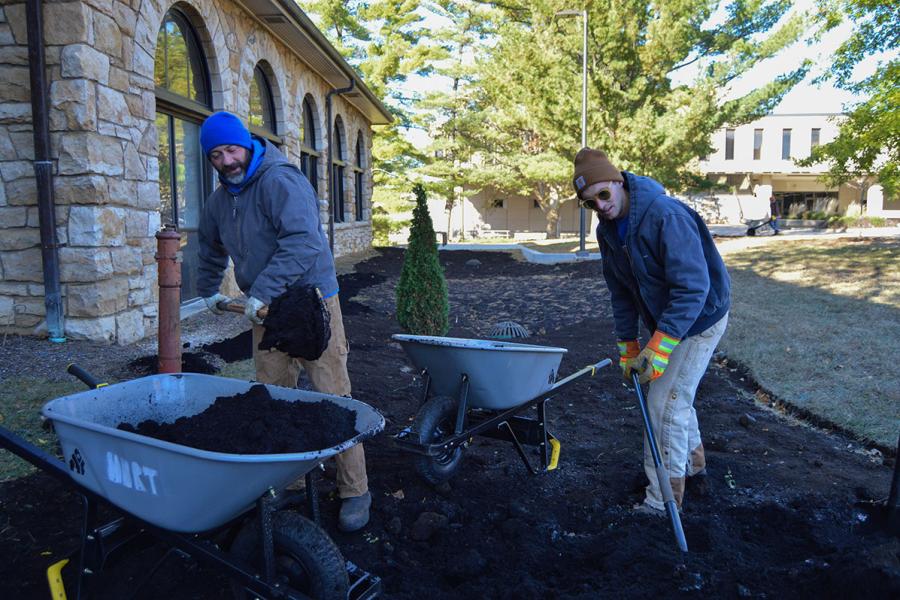
KU grounds crew taking a new, more strategic and sustainable approach to landscaping
The Lawrence campus aesthetic plays a key role in recruiting, and the KU landscaping team works to create a beautiful and welcoming environment for students, employees and visitors.
About KU News
KU News Service informs the news media and the public of KU’s role as one of the nation’s leading research universities. Each day, KU News Service interacts with local, regional, and national media, to share KU’s experts, discoveries, contributions, and accomplishments.
Staff
Staff are responsible for producing KU Today and Inside KU. Connect with staff to learn more about a story, press coverage, or find an expert at KU.
Connect with KU News staff
Experts guide
The University of Kansas is home to faculty members who are leaders in their fields and are eager to share their expertise with media outlets around the world. Our public affairs officers can help match reporters with faculty experts, including in the top
View the guide
Media resources
The university has an extensive network of communications practitioners embedded in schools and units across KU. This network of KU Communicators is vital to ensuring different units are all speaking with a common voice.
Find resources
Swipe to see more