Featured news at KU
Our top featured stories


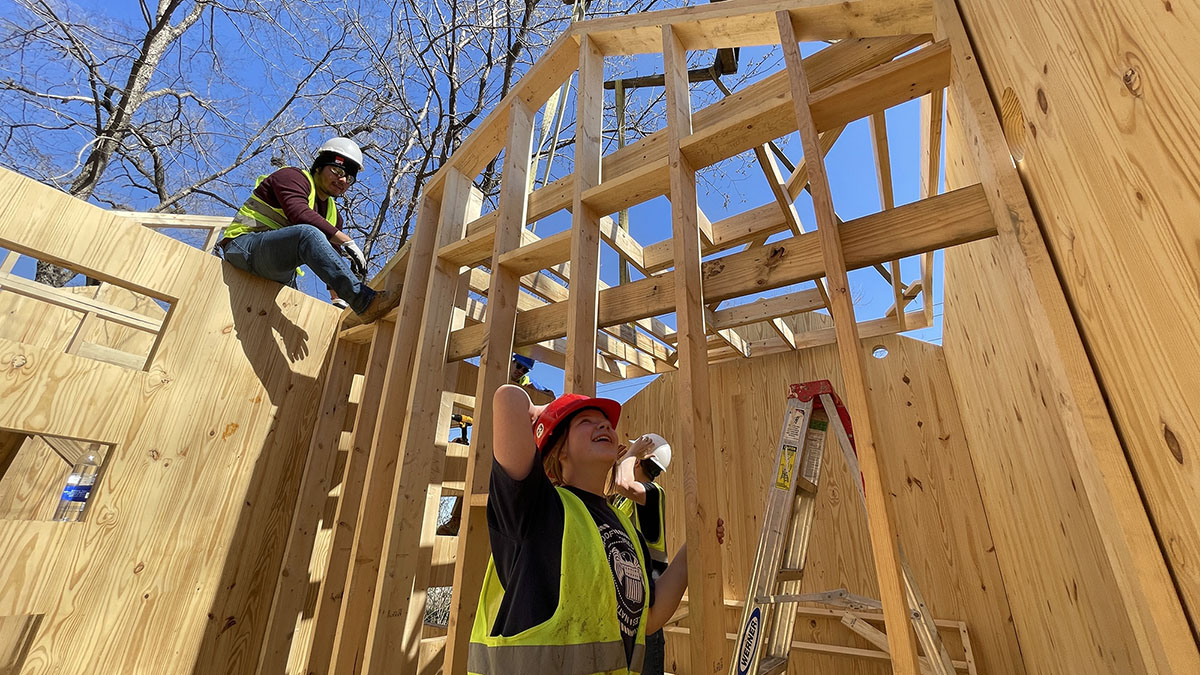
Dirt Works Studio, an academic design-build studio at the University of Kansas School of Architecture & Design, has designed and is currently building Phoenix House, a small, solar-powered house designed to assist members of the Lawrence community in transitioning from houselessness to a secure home.
KU in the News
Other featured news
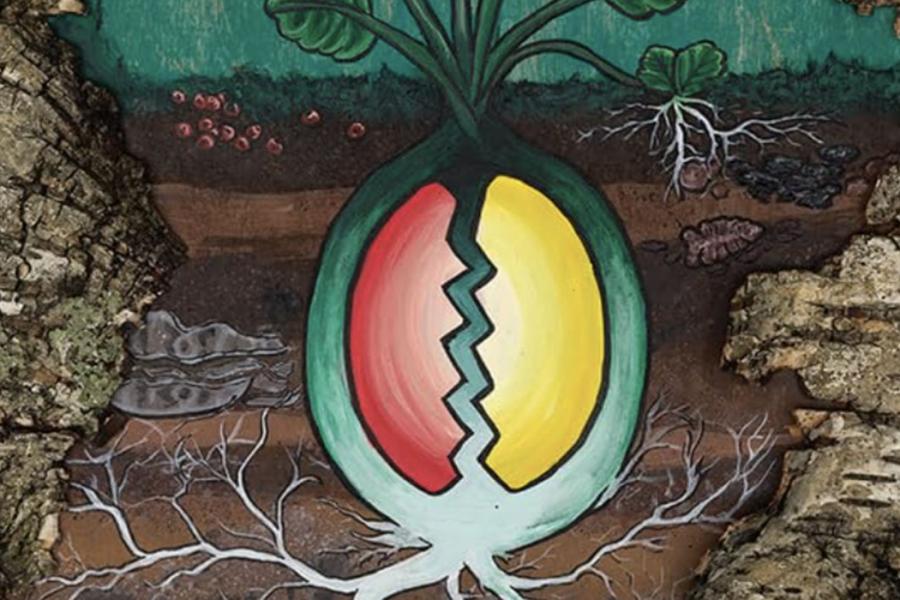
New book gathers insights, methods from rising generation of Indigenous archaeologists
A new book co-edited by a University of Kansas scholar, titled “Indigenizing Archaeology: Putting Theory into Practice," collects experiences and know-how of younger Indigenous archaeologists.
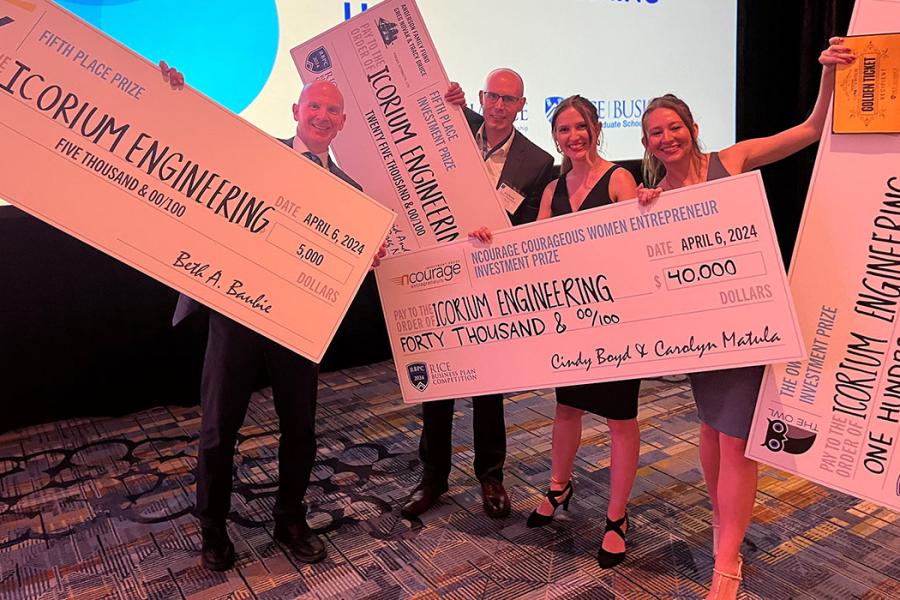
Icorium Engineering Company earns top-5 finish at 2024 Rice Business Plan Competition
Icorium Engineering Company, a sustainable engineering startup and spin-out company from KU, recently placed fifth overall and won more than $180,000 in investments and nondilutive cash and in-kind prizes at the prestigious Rice Business Plan Competition at Rice University in Houston.
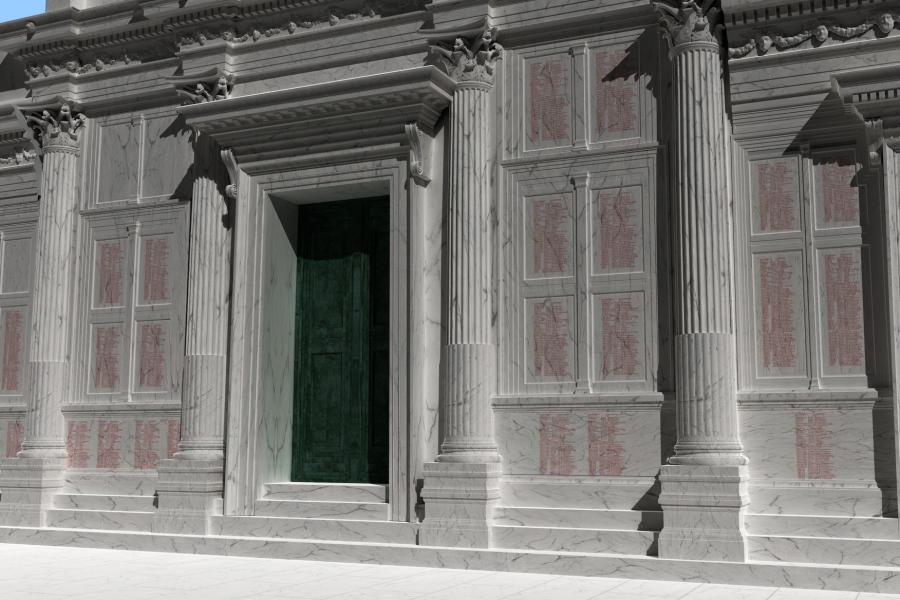
Extensive project, new book reveal monument to inflation in Roman times
Philip Stinson, associate professor of classics at the University of Kansas, has detailed a 50-year project translating Emperor Diocletian’s edict of maximum prices to “curb the rampant greed of retailers.” Stinson helped provide an architectural reconstruction of the full decree, which lists the prices allowed for a comprehensive array of goods and services.
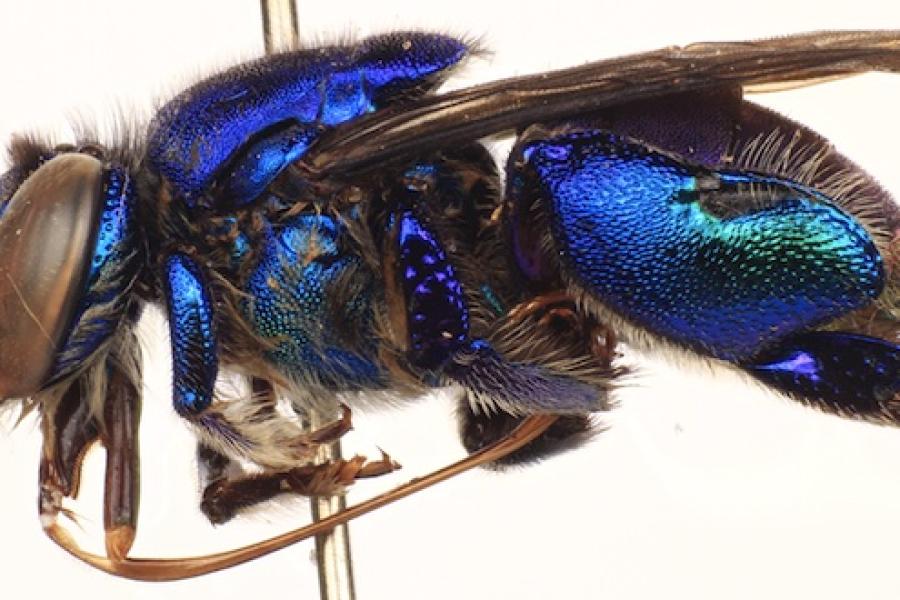
Deforestation harms biodiversity of the Amazon’s perfume-loving orchid bees
A survey of orchid bees in the Brazilian Amazon state of Rondônia, carried out in the 1990s, is shedding new light the impact of deforestation on the scent-collecting pollinators, which some view as bellwethers of biodiversity in the neotropics.
Research

In a new study, John James Kennedy, a professor of political science at the University of Kansas, examines the influence of international collaboration and vaccine developments.
Kansas Communities
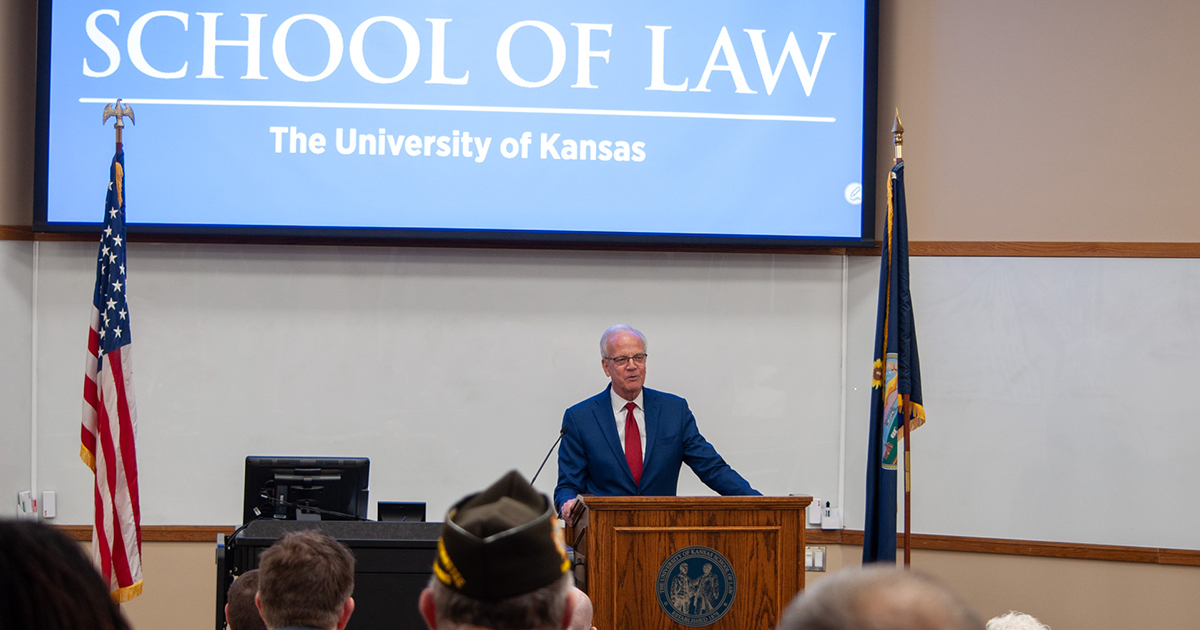
The University of Kansas School of Law is set to receive $1.6 million in federal funding for the establishment of a free legal aid clinic dedicated to serving veterans. With an estimated 194,000 veterans in Kansas, the clinic would be the first of its kind in the state.
Economic Development
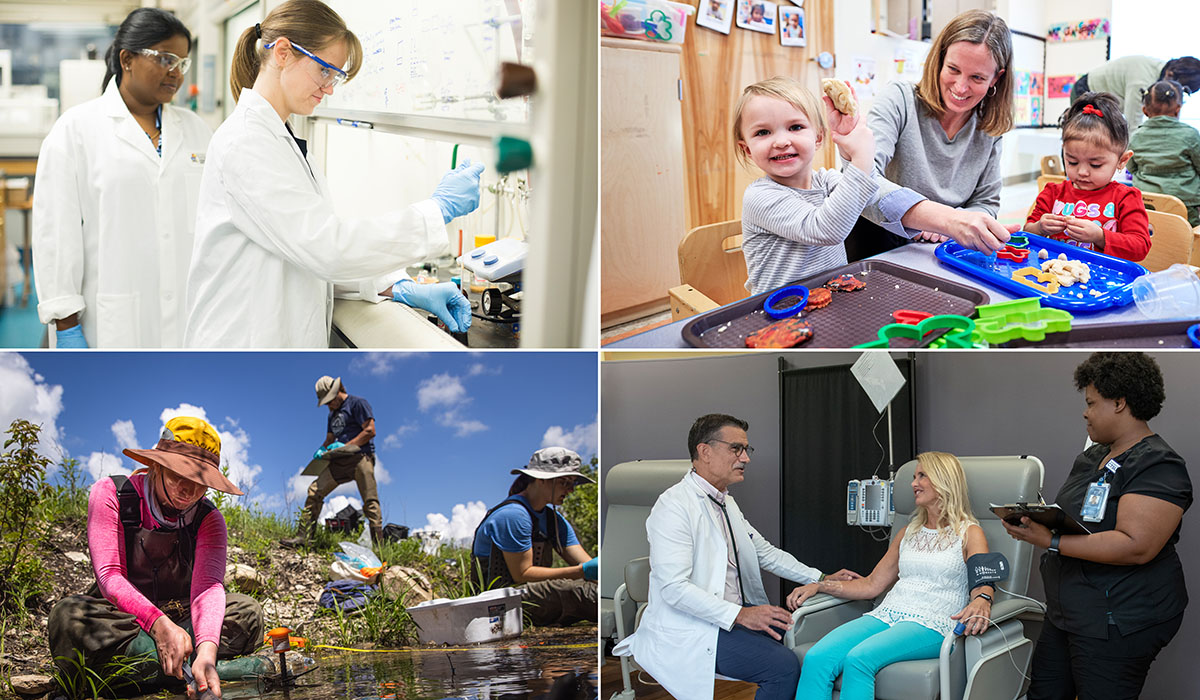
Research expenditures spanning all KU campuses increased to $368.6 million in 2023, capping nearly a decade of steady expansion. Last year alone, externally funded research at KU supported the salaries of 4,372 people, and the university spent $78.9 million in 97 Kansas counties on research-related goods and services, according to a report from the Institute for Research on Innovation & Science.
Student experience and achievement
Dirt Works Studio, an academic design-build studio at the University of Kansas School of Architecture & Design, has designed and is currently building Phoenix House, a small, solar-powered house designed to assist members of the Lawrence community in transitioning from houselessness to a secure home.
Campus news
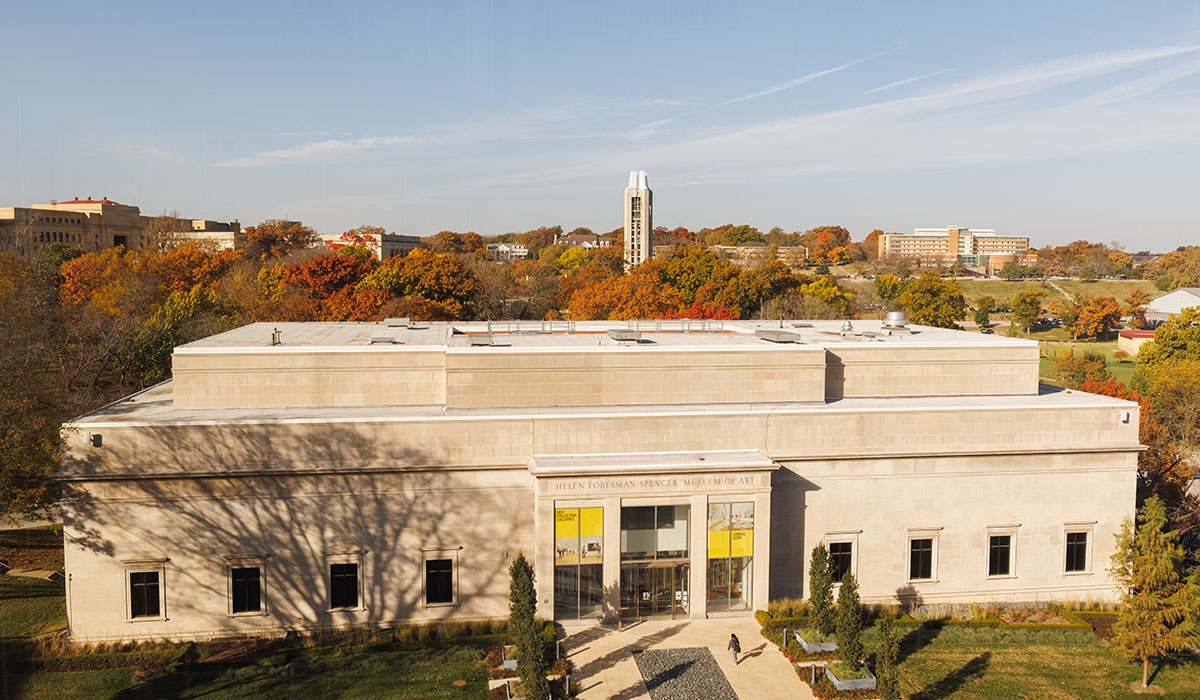
The Spencer Museum of Art at the University of Kansas will host a public event with the Rev. Wheeler Parker Jr., cousin and childhood best friend of Emmett Till, in conjunction with the traveling exhibition “Emmett Till and Mamie Till-Mobley: Let the World See.” The event will take place at 6 p.m. April 24 at the Spencer Museum. Seating is limited; free tickets are required.
Latest news
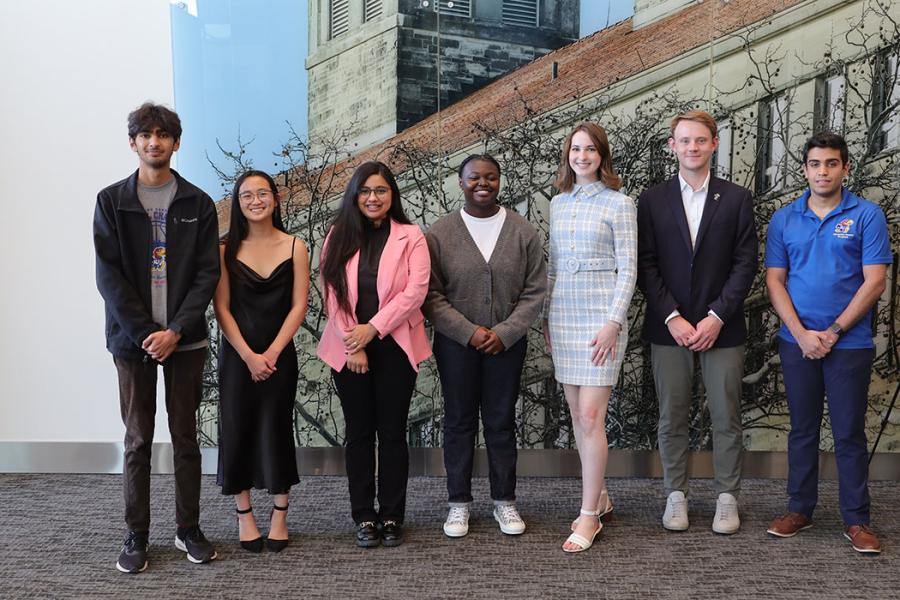
Tradition of Excellence Award honors student leaders
Eleven University of Kansas students were honored for their leadership on the Lawrence campus at the Tradition of Excellence Award ceremony, co-hosted by KU Endowment, the KU Alumni Association and the Student Alumni Endowment Board.
Third candidate for vice chancellor for research to present April 25
Kevin Gardner, professor of civil and environmental engineering at the University of Louisville, is the third candidate for vice chancellor for research at KU. His public presentation will take place 3-4 p.m. April 25.
University community mourns historian Jeffrey Moran
Moran joined KU’s Department of History in 1998 and twice served as department chair. He is remembered by colleagues as an accomplished historian, a generous and kind colleague, and a dedicated teacher and mentor.

Marginalized communities develop 'disaster subculture' when living through extreme climate events, study finds
An ethnographic study of one of the most marginalized communities in Seoul, South Korea, found residents have developed a mindset that every day is a disaster when dealing with extreme heat and climate events.
About KU News
KU News Service informs the news media and the public of KU’s role as one of the nation’s leading research universities. Each day, KU News Service interacts with local, regional, and national media, to share KU’s experts, discoveries, contributions, and accomplishments.
Staff
Staff are responsible for producing KU Today and Inside KU. Connect with staff to learn more about a story, press coverage, or find an expert at KU.
Connect with KU News staff
Experts guide
The University of Kansas is home to faculty members who are leaders in their fields and are eager to share their expertise with media outlets around the world. Our public affairs officers can help match reporters with faculty experts, including in the top
View the guide
Media resources
The university has an extensive network of communications practitioners embedded in schools and units across KU. This network of KU Communicators is vital to ensuring different units are all speaking with a common voice.
Find resources
Swipe to see more